
Disclosure: Some links in this article may be affiliate links. CreditMaze may earn a commission at no extra cost to you. We only recommend products we trust.
Americans pay an estimated $15.5 billion in overdraft fees annually. At $35 per transaction on average, those charges add up fast — and they disproportionately hit the people who can least afford them. If you’ve ever had your bank account dip below zero and gotten slapped with a fee, you know how frustrating it feels.
The good news? Overdraft fees are largely preventable. In this guide, we’ll show you how to avoid overdraft fees, manage your checking account proactively, and choose the right protections so a small miscalculation doesn’t cost you $35 or more.
What Are Overdraft Fees?
An overdraft fee is charged when you make a transaction that exceeds your available checking account balance and the bank covers the difference. Essentially, the bank pays on your behalf and charges you a fee for the service — even if the overdraft was just a few dollars.
Types of Overdraft Fees
| Fee Type | What It Is | Typical Cost |
|---|---|---|
| Overdraft fee | Charged when the bank covers a transaction that exceeds your balance | $30–$36 per transaction |
| Non-sufficient funds (NSF) fee | Charged when the bank DECLINES a transaction due to insufficient funds | $27–$35 per transaction |
| Extended overdraft fee | Additional fee charged if your account remains overdrawn for several days | $5–$7/day or $25–$35 after 5 days |
| Overdraft transfer fee | Fee for transferring money from a linked account to cover the overdraft | $0–$12.50 per transfer |
Here’s what makes overdraft fees especially painful: banks can charge multiple overdraft fees per day. If you have three transactions hit an overdrawn account, you could be charged $105+ in fees in a single day. Some banks cap fees at 3–4 per day; others have no cap at all.
Recent Regulatory Changes to Overdraft Fees
In 2025 and 2026, the banking landscape has shifted significantly on overdraft fees. The Consumer Financial Protection Bureau (CFPB) has pushed banks to reduce or restructure overdraft programs:
- Many major banks have eliminated or reduced overdraft fees — Capital One eliminated all overdraft fees; Ally Bank charges no overdraft fees; Citibank reduced its fee to $25
- Grace periods are becoming standard — some banks now give you until the next business day to bring your account positive before charging fees
- Small-dollar cushions — many banks now allow small overdrafts ($5–$50) without fees
- Fewer daily fee caps — several banks limit overdraft fees to one per day
Despite these improvements, overdraft fees remain a significant revenue source for many financial institutions, so it’s still critical to manage your account proactively.
10 Strategies to Avoid Overdraft Fees
1. Opt Out of Overdraft Coverage for Debit Card Transactions
Under federal regulations (Regulation E), banks cannot charge overdraft fees on ATM and one-time debit card transactions unless you opt in to overdraft coverage. If you haven’t opted in — or you opt out — your debit card will simply be declined if you don’t have enough funds.
This won’t prevent overdrafts on checks or recurring automatic payments, but it eliminates fees from everyday debit card spending. Contact your bank to check your opt-in status and opt out if you prefer declined transactions over fees.
2. Set Up Low-Balance Alerts
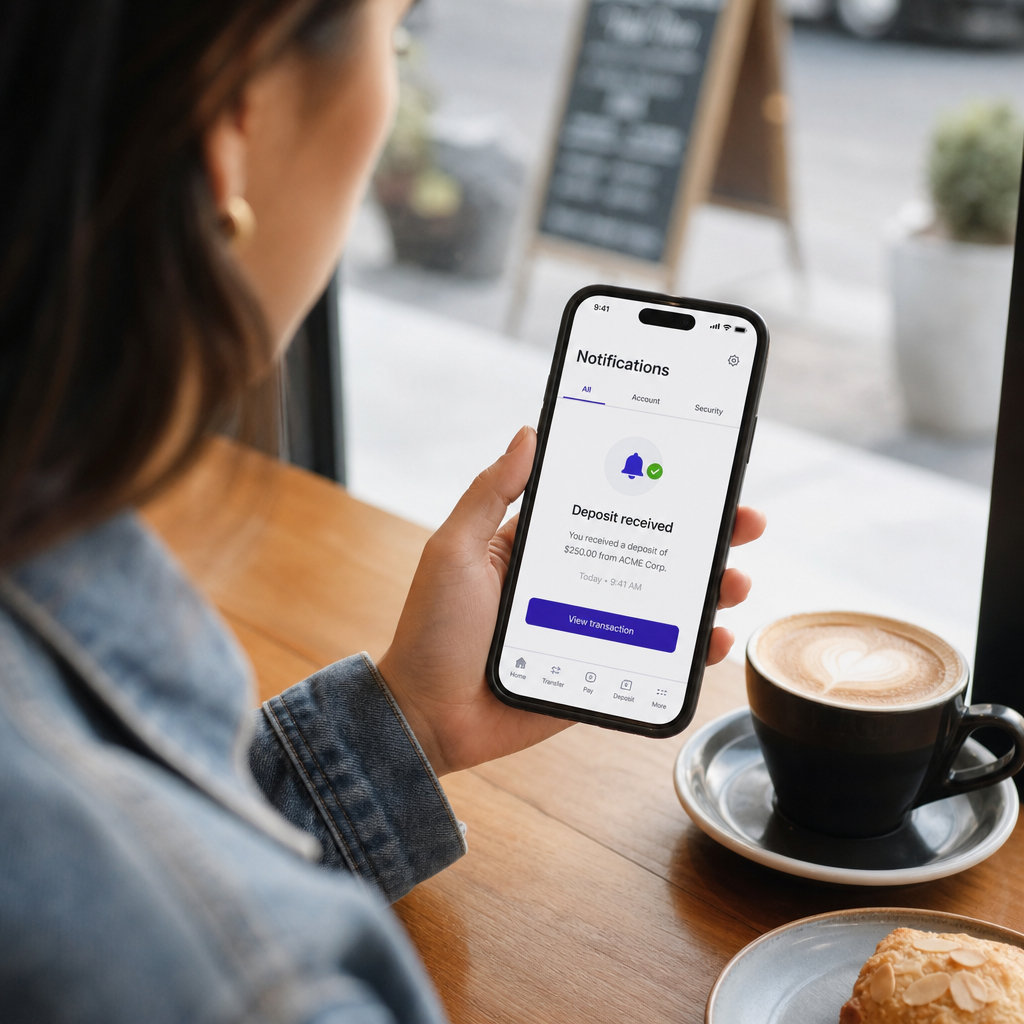
Most banks and credit unions let you set up alerts that notify you by text, email, or push notification when your balance drops below a threshold you choose. Set alerts at multiple levels:
- $500: Heads up — spending is adding up
- $200: Caution — slow down on non-essential spending
- $100: Warning — transfer funds or hold off on purchases
3. Link a Savings Account for Overdraft Transfers
Most banks offer overdraft protection that automatically transfers money from a linked savings account if your checking balance goes negative. While some banks charge a small transfer fee ($5–$12.50), it’s much cheaper than a $35 overdraft fee — and many banks now offer this service for free.
Keep a buffer of at least $200–$500 in your linked savings account specifically for this purpose. It’s a cheap insurance policy against overdrafts.
4. Maintain a Checking Account Buffer
One of the simplest strategies: keep a permanent cash buffer in your checking account that you never spend. Treat the buffer as if it doesn’t exist — it’s simply your “zero” point. A $300–$500 buffer absorbs timing mismatches between deposits and payments without triggering overdrafts.
This strategy works especially well when combined with a solid budgeting system that accounts for every dollar.
5. Track Your Balance Daily
Check your checking account balance every day — it takes 30 seconds using your bank’s mobile app. But here’s the critical nuance: your available balance and your current balance may differ. Pending transactions, holds (gas station pre-authorizations, hotel deposits, etc.), and scheduled payments can reduce your available balance even though they haven’t fully posted yet.
Always use your available balance — not your current/posted balance — when deciding whether you can afford a purchase.
6. Time Your Bill Payments Strategically
If you get paid biweekly or semi-monthly, align your bill payment dates with your paydays. Most creditors allow you to change your monthly due date — often through a simple online request or phone call. This prevents the common scenario where multiple bills hit your account between paychecks, draining your balance.
7. Use a Budgeting App
Apps like YNAB, Mint, or Copilot sync with your bank account and show real-time spending by category. They can forecast upcoming bills, flag when you’re approaching budget limits, and send alerts before you overspend. Check our roundup of the best budgeting apps to find one that works for your style.
8. Switch to a Bank With No Overdraft Fees
Several banks and credit unions have eliminated overdraft fees entirely. If overdraft fees are a recurring problem, switching could save you hundreds per year:
| Bank/Credit Union | Overdraft Policy |
|---|---|
| Capital One | No overdraft fees on any account |
| Ally Bank | No overdraft fees; offers up to $250 overdraft coverage (SpotMe equivalent) |
| Chime | SpotMe: fee-free overdraft up to $200 for qualifying members |
| Discover | No overdraft fees |
| Alliant Credit Union | No overdraft fees with courtesy pay |
| SoFi | No overdraft fees; $50 overdraft cushion |
For a full comparison, see our guide to the best checking accounts which highlights fee structures across major providers.
9. Use Direct Deposit for Faster Fund Availability
With direct deposit, your paycheck typically becomes available on payday or even 1–2 days early with certain banks. This reduces the gap between when bills are due and when funds arrive. Many banks also unlock better account features (higher limits, fee waivers) when you have direct deposit set up.
10. Be Careful With Pending Transactions and Holds
Certain merchants place temporary holds on your account that can be significantly larger than your actual purchase:
- Gas stations: May hold $50–$175 even if you only pump $30
- Hotels: May hold $50–$200+ per night beyond your room rate for incidentals
- Rental cars: May hold $200–$500+ beyond the rental cost
- Restaurants: May hold an additional 20–25% for the anticipated tip
These holds reduce your available balance even though the final charge will be smaller. Plan accordingly, especially when your balance is tight.
What to Do If You’re Charged an Overdraft Fee
Already hit with a fee? You may be able to get it reversed:
- Call your bank immediately. Be polite but direct: “I noticed an overdraft fee on my account. I’d like to request a fee waiver.”
- Mention your history. If you’re a long-term customer or rarely overdraft, say so. Banks are more likely to waive fees for customers with good track records.
- Ask about a one-time courtesy waiver. Many banks have policies allowing representatives to waive one fee per year — but you usually have to ask.
- Bring your account positive immediately. Deposit or transfer funds to cover the negative balance as soon as possible to avoid extended overdraft fees.
- Follow up in writing. If the phone representative can’t help, consider sending a written complaint through the bank’s formal complaint process or filing with the CFPB.
Pro Tip: Success rates for fee reversals are surprisingly high — some studies show banks refund overdraft fees 50–75% of the time when customers call and ask. The key is being polite, persistent, and asking specifically for a “courtesy waiver.”
Understanding Overdraft Protection Options
Banks offer several forms of overdraft protection. Understanding the differences helps you choose the most cost-effective option:
| Protection Type | How It Works | Cost | Best For |
|---|---|---|---|
| Linked savings transfer | Automatically transfers from savings to cover the overdraft | $0–$12.50 per transfer | Most people — lowest cost |
| Overdraft line of credit | Extends a small line of credit to cover the overdraft | Interest only (often 18–22% APR) | Frequent small overdrafts |
| Standard overdraft coverage | Bank pays the transaction and charges a flat fee | $30–$36 per transaction | Rarely — most expensive option |
| Opt-out (decline) | Debit card transactions are simply declined | $0 | People who prefer declined over fees |
Building a System to Prevent Overdrafts Long-Term
Rather than relying on one strategy, build a layered system:
- Foundation: Maintain a $300–$500 permanent buffer in checking
- Monitoring: Check your balance daily and set low-balance alerts at multiple thresholds
- Safety net: Link a savings account for automatic overdraft transfers
- Prevention: Opt out of standard overdraft coverage for debit card transactions
- Planning: Use a budget to ensure income timing aligns with spending patterns
Building an emergency fund also helps prevent the cycle of living paycheck-to-paycheck that makes overdrafts most likely.
Frequently Asked Questions
Can overdraft fees affect my credit score?
Overdraft fees themselves don’t appear on your credit report. However, if you leave your account severely overdrawn and the bank closes the account and sends the debt to collections, the collection account can damage your credit score significantly. Additionally, banks may report the account closure to ChexSystems, which could make it harder to open a new bank account.
How many overdraft fees can a bank charge per day?
This varies by bank. Some limit overdraft fees to 1–3 per day, while others may charge up to 5–6 or have no daily cap. Check your bank’s fee schedule for specific limits. Banks that have recently reformed their overdraft programs typically cap fees at 1–2 per day.
Is it better to opt in or opt out of overdraft coverage?
For most people, opting out is the better choice. Having your debit card declined is embarrassing but free. Having the bank cover the transaction costs $35+. The only scenario where opting in makes sense is if you absolutely cannot afford to have a critical payment declined — but even then, linking a savings account is a cheaper alternative.
Do prepaid debit cards charge overdraft fees?
No. Prepaid debit cards can only spend the balance loaded onto them. When the balance is exhausted, transactions are declined. This makes them a zero-overdraft option, though they may have other fees (monthly maintenance, reload fees, ATM fees).
Can I close my bank account if it’s overdrawn?
Generally, no. You must bring the account to a zero or positive balance before closing it. If you leave an overdrawn account unresolved, the bank will eventually close it involuntarily, report it to ChexSystems, and may send the debt to collections.
What’s the difference between an overdraft and an NSF fee?
An overdraft fee is charged when the bank covers a transaction that exceeds your balance — the payment goes through. An NSF (non-sufficient funds) fee is charged when the bank declines the transaction — the payment doesn’t go through. Either way, you’re charged a fee, which is why proactive management is so important.
Special Situations: Student and Senior Accounts
If you’re a college student or a senior citizen, you may qualify for specialized checking accounts with enhanced overdraft protection:
- Student checking accounts often feature lower or no overdraft fees, lower minimum balance requirements, and linked parental accounts for automatic backup funding. See our guide to the best checking accounts for college students for accounts with strong overdraft protections.
- Senior/55+ accounts at many banks include complimentary overdraft protection, free overdraft transfers from savings, and dedicated support representatives who can help you set up safeguards.
These accounts recognize that certain demographics are more vulnerable to overdraft fee cycles and provide extra guardrails. If you qualify for a specialized account, it’s worth switching — even if your current account has other benefits.
The Bottom Line
Overdraft fees are one of the most avoidable costs in personal finance. By combining daily balance monitoring, low-balance alerts, a linked savings account, a checking buffer, and smart bill timing, you can eliminate overdraft fees entirely — potentially saving hundreds of dollars per year.
If your current bank charges high overdraft fees and doesn’t offer consumer-friendly alternatives, consider switching to one of the growing number of institutions that have eliminated overdraft fees altogether. Your checking account should work for you, not against you.